
You don't win your customers first. You win your team first. 🍌
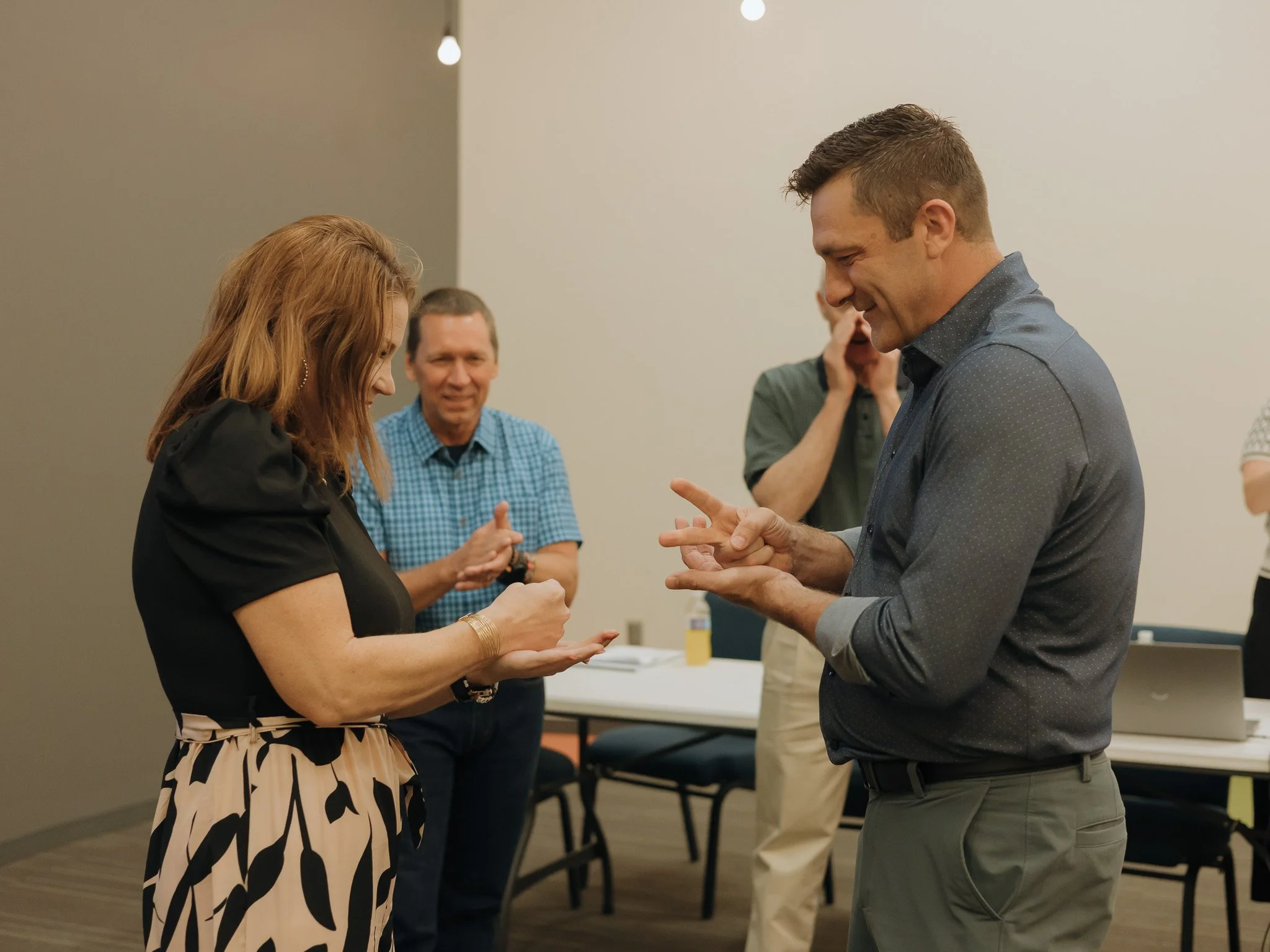
Recently, our team spent some time studying one of the most entertaining organizations in baseball—the Savannah Bananas. They're famous for dancing players, crazy promotions, and turning a baseball game into an experience people line up to see.
But something their CFO shared caught my attention.
Before they focused on winning fans, they focused internally first. They built trust, appreciation, connection, and even talked about love for their teammates.
Think about that for a minute.
Most of us don't start a business thinking about culture. We start by trying to survive. Find customers. Make payroll. Generate enough cash to keep the doors open another month.
Vision, purpose, and core values often become things we'll work on someday—when we finally have enough time, money, or breathing room.
But what if we have the order backward?
What if culture isn't something you build after you become successful? What if building a strong culture is one of the reasons you become successful in the first place?
The earlier we build a foundation of purpose, values, trust, and appreciation, the stronger everything built on top of it can become. And honestly, the journey becomes a lot more fun, too.
Your team is your first audience. Win their hearts, earn their trust, and give them something meaningful to believe in. Then watch what happens when they take that energy to your customers and the world around them.
Maybe the first people we should be trying to win aren't our customers at all. Maybe they're sitting right beside us.
What would change in your business if you spent as much energy winning your team as you do winning your customers?
Rusty Fulling